
Introduction
A strong digital presence is no longer optional for businesses. Companies that succeed online usually follow a clear, structured digital marketing strategy rather than random marketing activities.
A well-designed strategy helps businesses attract the right audience, convert visitors into customers, and grow consistently. Instead of guessing what works, it provides a roadmap for measurable and scalable results.
What Is a Digital Marketing Strategy?
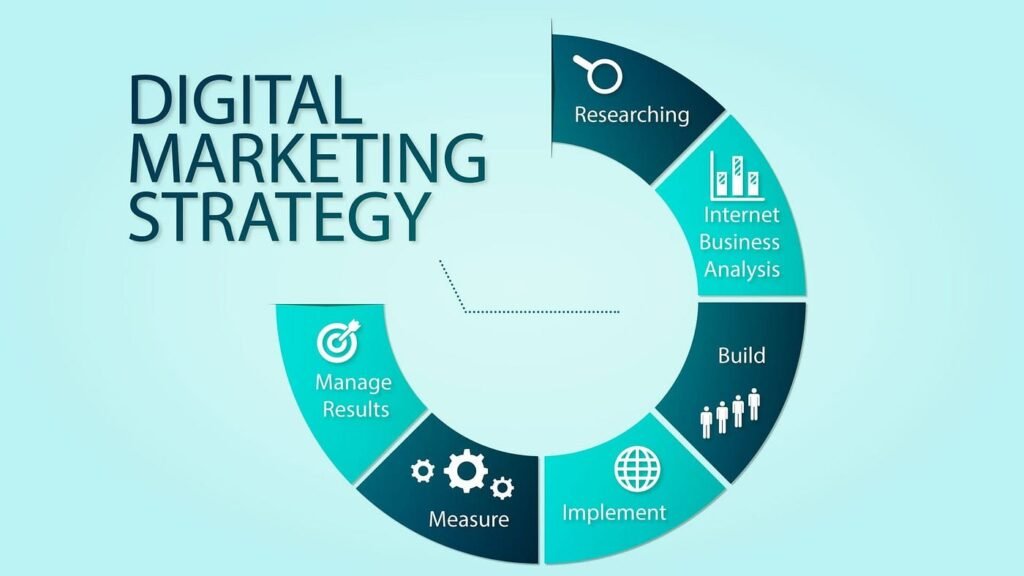
A digital marketing strategy is a long-term plan that uses online channels to reach business goals. These channels can include search engines, social media, email marketing, and content platforms.
The goal is simple: reach the right audience at the right time with the right message.
Rather than focusing on one channel, a strategy connects multiple marketing activities into one unified system that drives traffic, engagement, and sales.
Why Businesses Need a Digital Marketing Strategy
Without a strategy, marketing often becomes inconsistent and inefficient. Businesses may spend money on ads or social media without knowing what actually drives results.
A structured digital marketing strategy helps businesses:
- Understand their target audience
- Allocate marketing budget effectively
- Track measurable performance
- Improve brand visibility
- Generate consistent leads
Companies that rely on data-driven strategies often outperform competitors who rely on guesswork.
Core Components of a Digital Marketing Strategy
Every effective digital marketing strategy contains several key components. These elements work together to build visibility, authority, and customer trust.
Audience Research
Understanding the target audience is the foundation of any strategy.
Businesses should identify:
- Customer demographics
- Interests and behaviors
- Online platforms they use
- Problems they want solved
Audience insights help marketers craft content and campaigns that resonate with potential customers.
Search Engine Optimization (SEO)
SEO focuses on improving website visibility in search engine results.
Key SEO activities include:
- Keyword research
- High-quality content creation
- Technical optimization
- Link building
- On-page optimization
A strong SEO approach allows businesses to generate long-term organic traffic without constantly paying for advertisements.
Content Marketing
Content marketing is one of the most powerful parts of a digital marketing strategy.
It involves creating valuable content such as:
- Blog posts
- Guides
- Videos
- Case studies
- Infographics
Good content attracts visitors, educates them, and builds authority within an industry.
Social Media Marketing
Social platforms allow businesses to connect directly with audiences.
A successful social strategy includes:
- Regular posting
- Audience engagement
- Community building
- Influencer collaborations
- Paid promotions
Social media is particularly effective for brand awareness and customer relationships.
Email Marketing
Email remains one of the highest ROI marketing channels.
Businesses use email marketing to:
- Nurture leads
- Send promotions
- Share content
- Build customer loyalty
When combined with automation tools, email campaigns can generate consistent revenue.
Paid Advertising
Paid marketing can accelerate growth when used correctly.
Common paid channels include:
- Search ads
- Social media ads
- display advertising
- retargeting campaigns
Paid traffic works best when combined with strong landing pages and clear conversion funnels.
Step-by-Step Process to Build a Digital Marketing Strategy
Creating a digital marketing strategy requires careful planning and structured execution.
Step 1: Define Business Goals
Start by identifying clear objectives.
Examples include:
- Increase website traffic
- Generate more leads
- Improve online sales
- Build brand awareness
Every marketing activity should support these goals.
Step 2: Identify Target Audience
Businesses must define their ideal customer.
This includes factors like:
- Age
- Location
- Profession
- Interests
- Buying behavior
Creating buyer personas helps marketers tailor campaigns effectively.
Step 3: Analyze Competitors
Competitor analysis reveals what works in the market.
Businesses should review:
- Competitor websites
- social media presence
- content strategies
- advertising campaigns
This research highlights opportunities and market gaps.
Step 4: Choose Marketing Channels
Not every platform works for every business.
For example:
- B2B companies may focus on LinkedIn and SEO
- E-commerce brands may prioritize Instagram and paid ads
- Local businesses may benefit from local search optimization
Choosing the right channels improves efficiency.
Step 5: Create High-Quality Content
Content is the engine that drives digital marketing.
Businesses should create content that:
- Solves customer problems
- Answers common questions
- Demonstrates expertise
Consistent content publishing builds trust and authority.
Step 6: Measure and Optimize
Successful marketers constantly analyze performance.
Important metrics include:
- Website traffic
- Conversion rates
- Cost per acquisition
- engagement levels
Regular optimization ensures long-term improvement.
Comparison of Major Digital Marketing Channels
| Channel | Best For | Cost Level | Speed of Results |
|---|---|---|---|
| SEO | Long-term traffic | Low to medium | Slow |
| Social Media | Brand awareness | Low to medium | Medium |
| Paid Ads | Fast lead generation | Medium to high | Fast |
| Email Marketing | Customer retention | Low | Medium |
| Content Marketing | Authority and trust | Medium | Slow |
Each channel serves a different purpose within a digital marketing strategy.
Benefits of a Strong Digital Marketing Strategy
Businesses that implement a well-structured strategy experience several advantages.
Consistent Lead Generation
A planned strategy creates predictable marketing funnels that continuously generate new leads.
Better Marketing ROI
Strategic campaigns reduce wasted spending and improve overall return on investment.
Stronger Brand Authority
Regular content, SEO visibility, and social engagement help businesses become trusted industry leaders.
Data-Driven Decisions
Analytics tools provide real-time insights into customer behavior and campaign performance.
Drawbacks and Challenges
Although powerful, digital marketing strategies also have challenges.
Time to See Results
Channels like SEO and content marketing require patience before delivering strong results.
Constant Algorithm Changes
Search engines and social platforms frequently update algorithms, requiring marketers to adapt strategies.
Competition
Many industries are highly competitive online, making differentiation essential.
Who Is Digital Marketing Strategy Best For?
A structured digital marketing strategy benefits a wide range of businesses.
It works especially well for:
- Startups seeking rapid growth
- E-commerce stores
- service-based businesses
- online educators
- SaaS companies
- personal brands
Even small businesses can compete with larger companies by using smart digital strategies.
Practical Example of a Digital Marketing Strategy
Consider a small online clothing brand.
Their strategy might include:
- SEO blog posts targeting fashion trends
- Instagram content showcasing products
- email campaigns offering discounts
- retargeting ads for abandoned carts
- influencer collaborations
By combining multiple channels, the brand can build visibility, trust, and consistent sales.
Common Mistakes Businesses Make
Many companies struggle because they make avoidable mistakes.
Common issues include:
- Posting randomly on social media
- Ignoring SEO
- targeting the wrong audience
- focusing only on paid ads
- not tracking performance data
Avoiding these mistakes improves marketing effectiveness.
Future Trends in Digital Marketing Strategy
Digital marketing continues to evolve rapidly.
Some emerging trends include:
- AI-powered marketing tools
- voice search optimization
- personalized marketing experiences
- video-first content strategies
- privacy-focused advertising
Businesses that adapt early often gain competitive advantages.
Frequently Asked Questions
What is the main goal of a digital marketing strategy?
The main goal is to attract the right audience online and convert them into customers using coordinated digital channels such as SEO, social media, and email marketing.
How long does a digital marketing strategy take to work?
Results vary depending on the channel. Paid advertising can produce results quickly, while SEO and content marketing usually take several months to show strong impact.
What channels are included in a digital marketing strategy?
Common channels include search engine optimization, social media marketing, content marketing, email marketing, and paid online advertising.
Do small businesses need a digital marketing strategy?
Yes. A strategy helps small businesses compete effectively, attract local customers, and grow their brand online even with limited budgets.
How often should a digital marketing strategy be updated?
Most strategies should be reviewed every three to six months to analyze performance and adapt to market trends or algorithm changes.
Is SEO important in a digital marketing strategy?
SEO is one of the most important components because it provides long-term organic traffic and improves website visibility in search engines.
Key Takeaways
- A digital marketing strategy provides a structured roadmap for online growth
- Multiple channels such as SEO, content, and social media should work together
- Audience research is the foundation of effective marketing
- Data and analytics help optimize performance
- Consistent content builds trust and authority
- Businesses must adapt to new trends and technologies
Final Verdict
A well-planned digital marketing strategy is essential for modern business success. Instead of relying on scattered marketing efforts, companies should build integrated systems that attract, engage, and convert customers.
Businesses that invest in strategic planning, quality content, and data-driven optimization will achieve sustainable growth in the competitive digital landscape.